
The Guide to Living in Pennsylvania
A historic Colonial era state with deep ties to American history
THE GUIDE TO LIVING IN PENNSYLVANIA
The History of Pennsylvania
Established in 1681 when William Penn received a royal land grant, Pennsylvania was founded as a haven for religious freedom and pragmatic governance. Philadelphia, Pennsylvania’s oldest city, quickly became a political, commercial, and intellectual center in colonial North America.
The colony’s strategic location, productive farmland, and thriving port fostered rapid population and economic growth. Penn’s policies encouraged settlement by diverse European groups, creating a pluralistic society that valued enterprise and civic institutions.
Pennsylvania was central to the American Revolution and early Republic. Philadelphia hosted the Continental Congress, the drafting of the Declaration of Independence, and the Constitutional Convention. The city’s historic districts and preserved estates reflect this civic prominence. Post‑Revolution, Pennsylvania’s infrastructure and financial institutions helped anchor the emerging national economy.
The 19th and early 20th centuries saw Pennsylvania transform into an industrial powerhouse. Coal, iron, steel, and railroads drove urban expansion in Pittsburgh, Scranton, Allentown, and other cities. Manufacturing innovation and an abundant natural-resource base created sustained wealth and a substantial middle and upper class. This era produced notable philanthropic and cultural institutions—museums, universities, and hospitals—that remain pillars of civic life.
Late 20th-century deindustrialization prompted economic transition. Pennsylvania diversified into finance, healthcare, education, technology, and energy. The Marcellus Shale fostered a sizable natural gas sector, while Philadelphia and Pittsburgh developed strong life-sciences, higher-education, and tech clusters. The state’s real-estate landscape evolved: historic urban neighborhoods and suburban enclaves offer varied housing—century‑old townhouses, newly restored estates, and modern luxury developments.
Pennsylvania offers a blend of refined urban living and expansive rural retreats. Cultural capital is concentrated in Philadelphia and Pittsburgh—world-class arts, professional sports, premier universities, and fine dining. Outside the cities, the Poconos, Brandywine Valley, and Amish country provide scenic privacy, equestrian estates, vineyards, and equestrian and outdoor recreational opportunities. Strong private schools, leading hospitals, and established philanthropic networks make the state attractive to families prioritizing education, wellness, and civic engagement.
Pennsylvania’s legal and financial systems are mature and stable, with favorable institutional support for property ownership, estate planning, and private investment. Tax considerations vary by locality; affluent residents often balance city amenities with suburban or rural tax and lifestyle preferences. Private communities, country clubs, and historic estate neighborhoods offer security, privacy, and concierge-level services that appeal to high-net-worth individuals.
For those seeking residence that pairs legacy with contemporary comfort, Pennsylvania offers an established, multifaceted environment—rich in history, culturally sophisticated, and economically resilient.
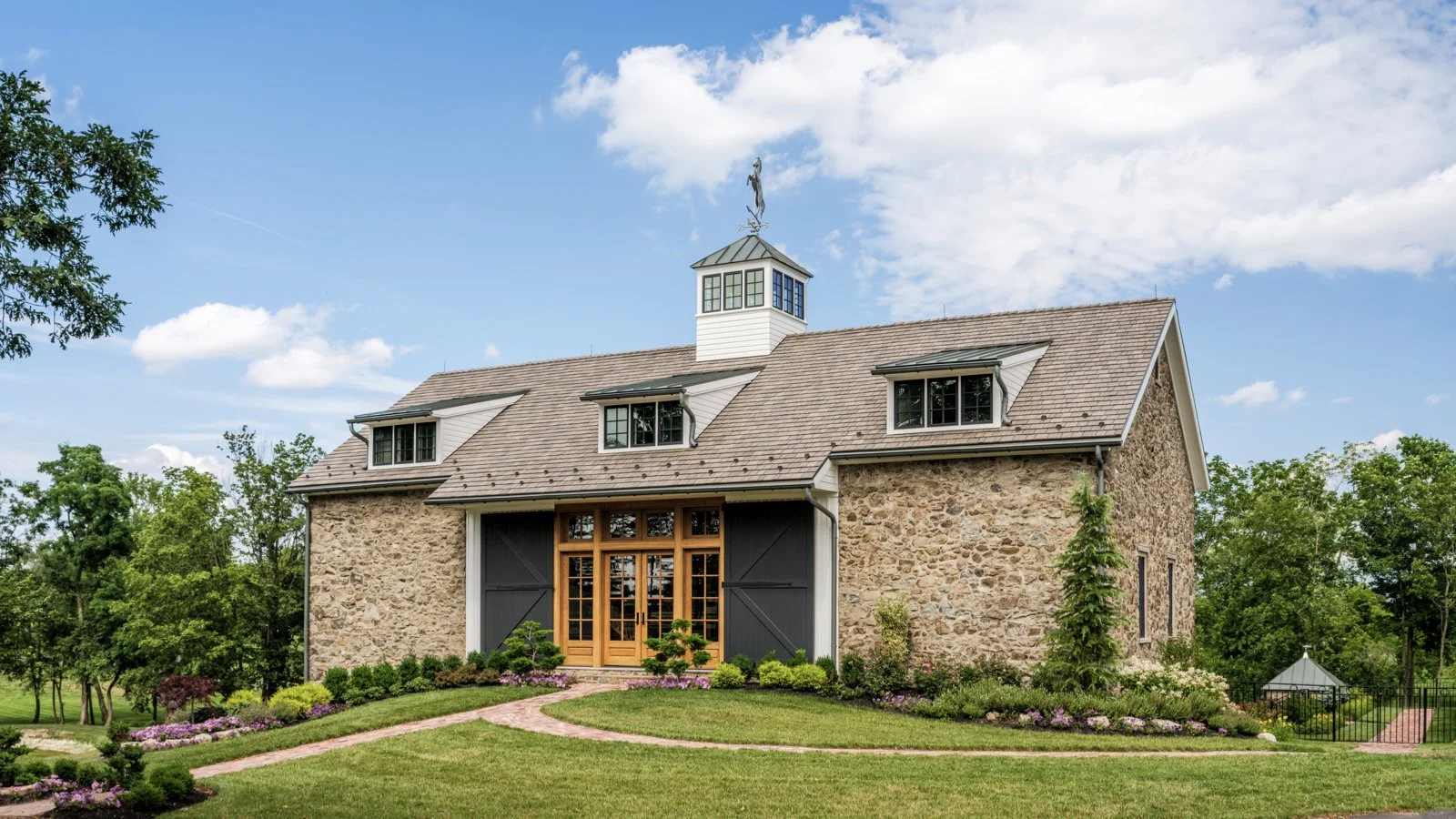
THE HOMES COLLECTION
The Homes of Pennsylvania
Explore a curated collection of the most iconic homes in Pennsylvania
THE GUIDE TO LIVING IN PENNSYLVANIA
Frequently Asked Questions
Explore common questions about life in Pennsylvania, including the best, neighborhoods, restaurants, and more.
IS PENNSYLVANIA A GOOD PLACE TO LIVE?
Pennsylvania is generally considered one of the best places to live in the United States.
HOW MANY PEOPLE LIVE IN PENNSYLVANIA?
According to the 2020 Census data, Pennsylvania has a population of roughly 13,000,000 people.
WHAT IS THE PROPERTY TAX RATE FOR PENNSYLVANIA?
Property taxes in Pennsylvania vary based on location, but are typically calculated per every $100 of assessed value.
HOW MUCH DOES IT COST TO BUY A HOME IN PENNSYLVANIA?
The median sale price for a home in Pennsylvania is xxx, which is just above the national average of $308,980. of course, depending on location, homes prices can vary. Ready to buy the home of your dreams? Browse homes for sale in Pennsylvania presented by Sotheby’s International Realty.
WHAT ARE THE TOP COMPANIES AND EMPLOYERS IN PENNSYLVANIA?
Pennsylvania is home to a number of large companies and employers, including:
WHAT ARE THE BEST CITIES AND TOWNS IN PENNSYLVANIA?
Whether you are looking for a large urban environment or a charming small town, Pennsylvania has something for everyone.
WHAT ARE THE BEST RESTAURANTS IN PENNSYLVANIA?
Pennsylvania is home to a number of great restaurants, including:
THE GUIDE TO LIVING IN PENNSYLVANIA
Popular Destinations in Pennsylvania
Discover the most iconic destinations in Pennsylvania
TBD.
THE GUIDE TO LIVING
Philadelphia, Pennsylvania
Discover life in Philadelphia, Pennsylvania
Learn More »
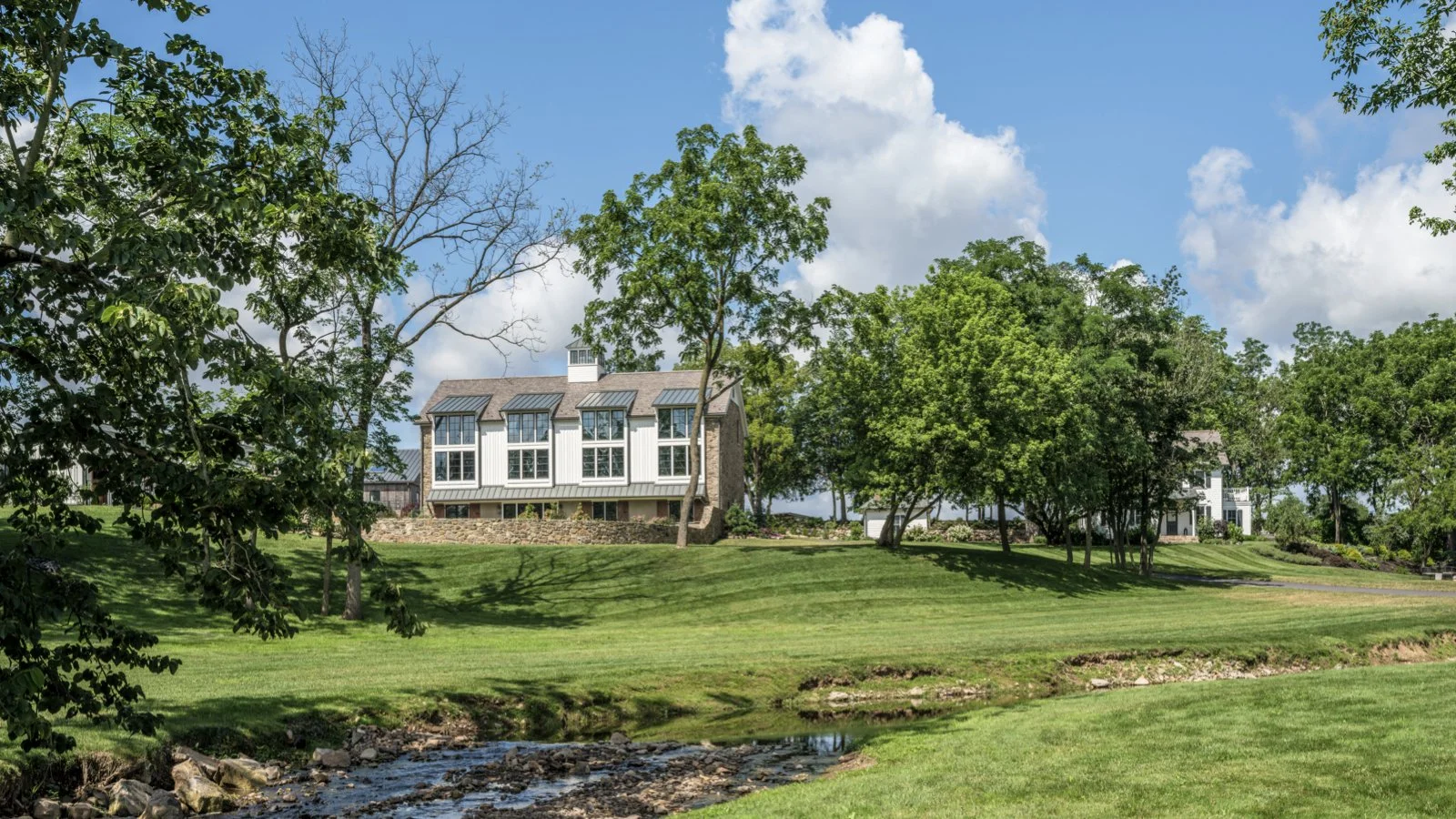
Bucks County Estate of Quakertown, Pennsylvania. Image courtesy of Angle Eye Photography.
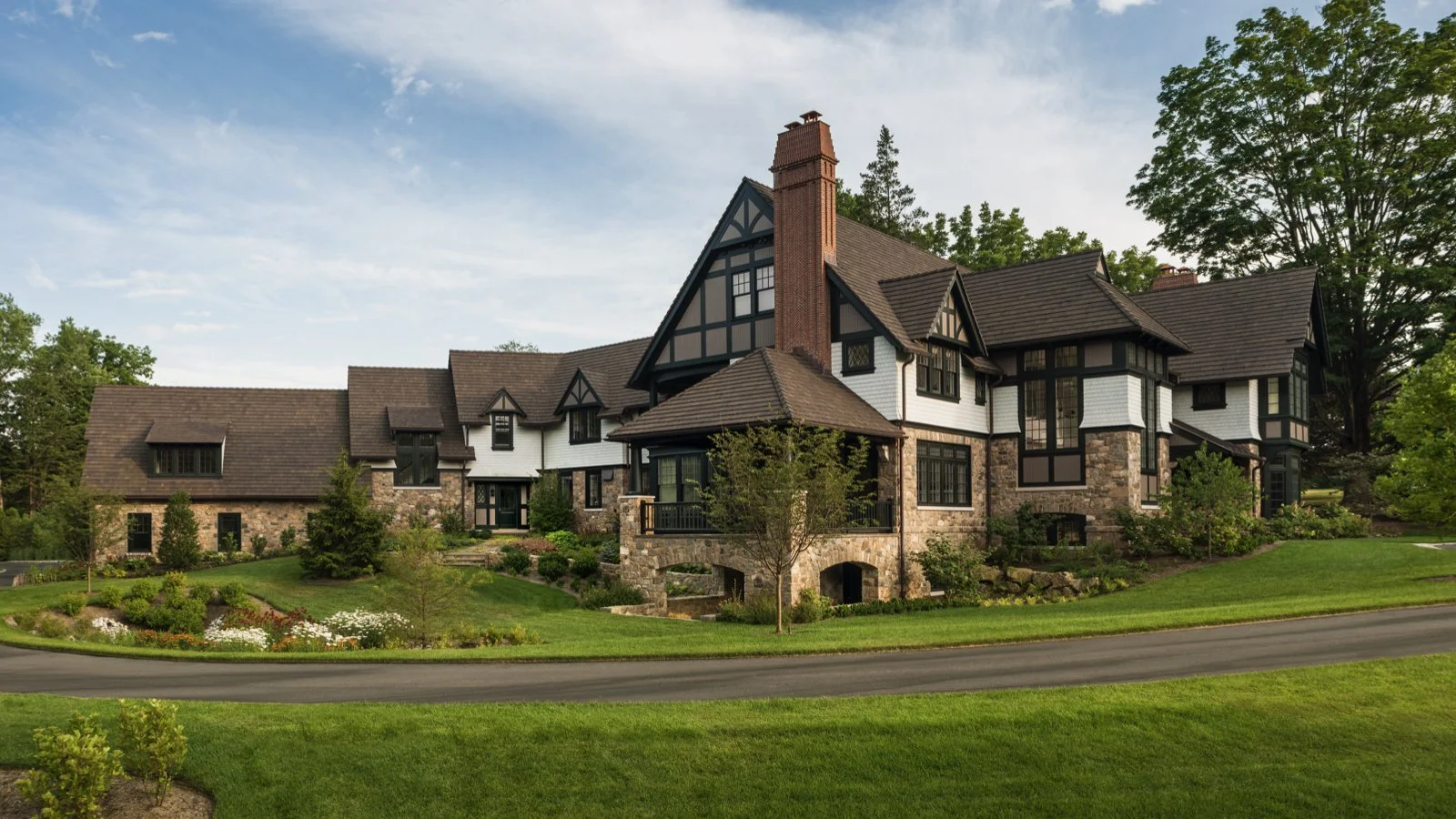
Brightland of Wayne, Pennsylvania. Image courtesy of Tom Crane.
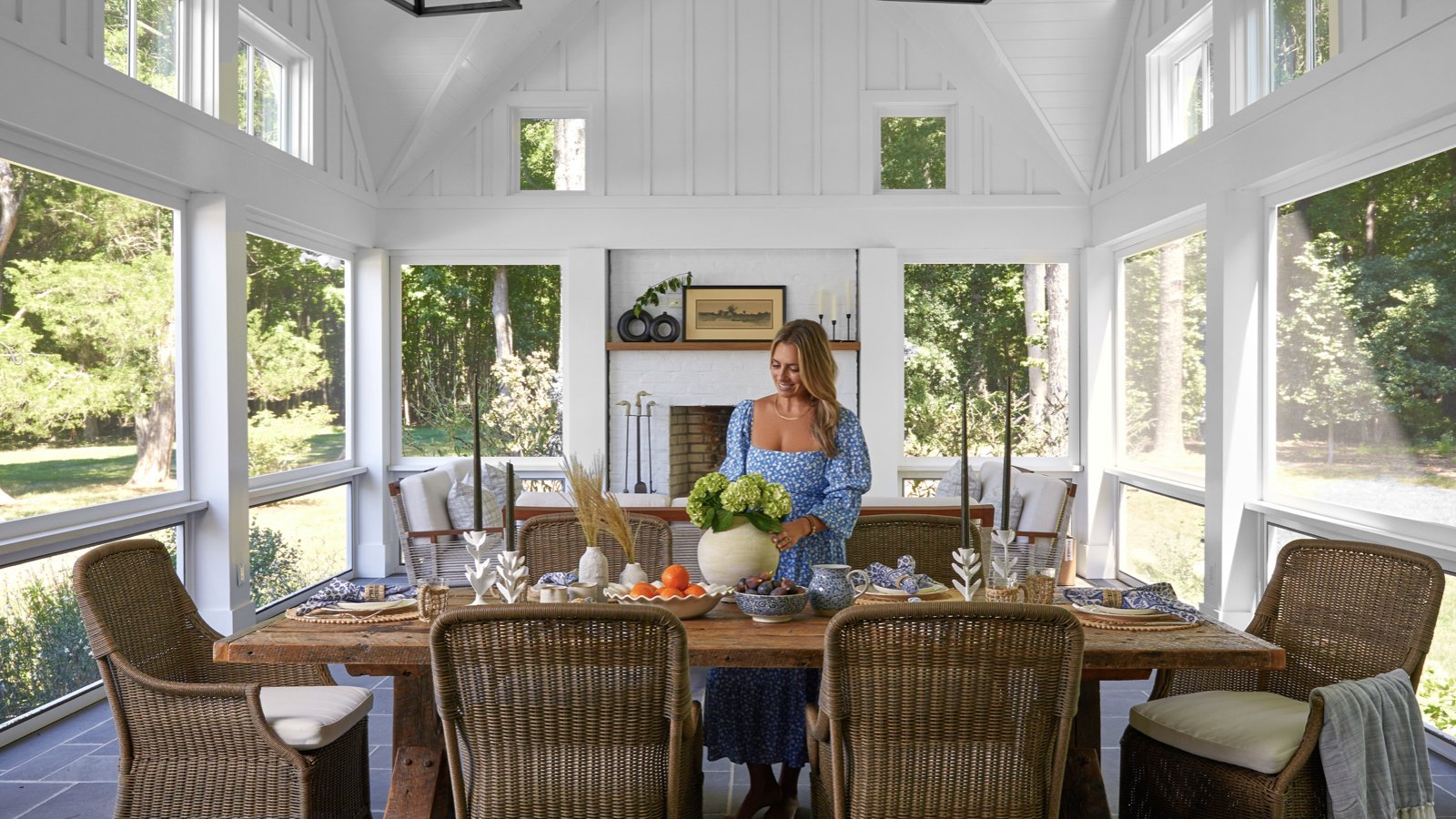
THE RAPPAHANNOCK RIVER COMPANY
Create Your Next Home in Pennsylvania
With our premium concierge service, it’s never been easier to create the home of your dreams